
The Sacred Breath: Ayurveda's Perspective on Prana
In the classical tradition of Ayurveda, breath is regarded as the physical expression of Prana—the primordial life force that animates every cell in our bodies. The respiratory pathway is known as Pranavaha Srotas, a delicate internal channel rooted in the heart and chest cavity. According to authentic Kerala Ayurvedic principles, optimal respiratory wellness relies on the harmonious balance between Kapha and Vata doshas. When excess moisture and heaviness (aggravated Kapha) settle in the chest, or when dryness and coldness (aggravated Vata) irritate the delicate airways, the natural ease of breathing can feel clouded. Rather than suppressing these natural fluctuations, classical herbal wisdom seeks to gently kindle Agni (metabolic fire), liquefy stagnant mucus, and soothe the mucosal lining using the warming, clarifying intelligence of native botanicals.
Kerala's Revered Herbs for Clear Breathing
South India's lush Western Ghats have long served as a sanctuary for potent medicinal flora tailored to respiratory comfort. Foremost among these is Vasa (Adhatoda vasica), famously praised in ancient texts as the supreme protector of the chest. Vasa possesses natural bitter and astringent properties that pacify excess Kapha while gently opening bronchial passages. Another cornerstone herb is Pippali (Long Pepper), celebrated for its rasayana (rejuvenative) affinity for lung tissues. Unlike ordinary pungent spices that cause harsh internal heat, Pippali delivers deep bio-enhancing warmth that aids circulation and clears deep-seated dampness. Complementing these are Tulsi (Holy Basil), celebrated for promoting pure vital energy and seasonal resilience, and Yashtimadhu (Licorice root), which coats the throat with sweet, soothing moisture to ease dry, scratchy tickles.
Practical Herbal Rituals for Everyday Lung Support
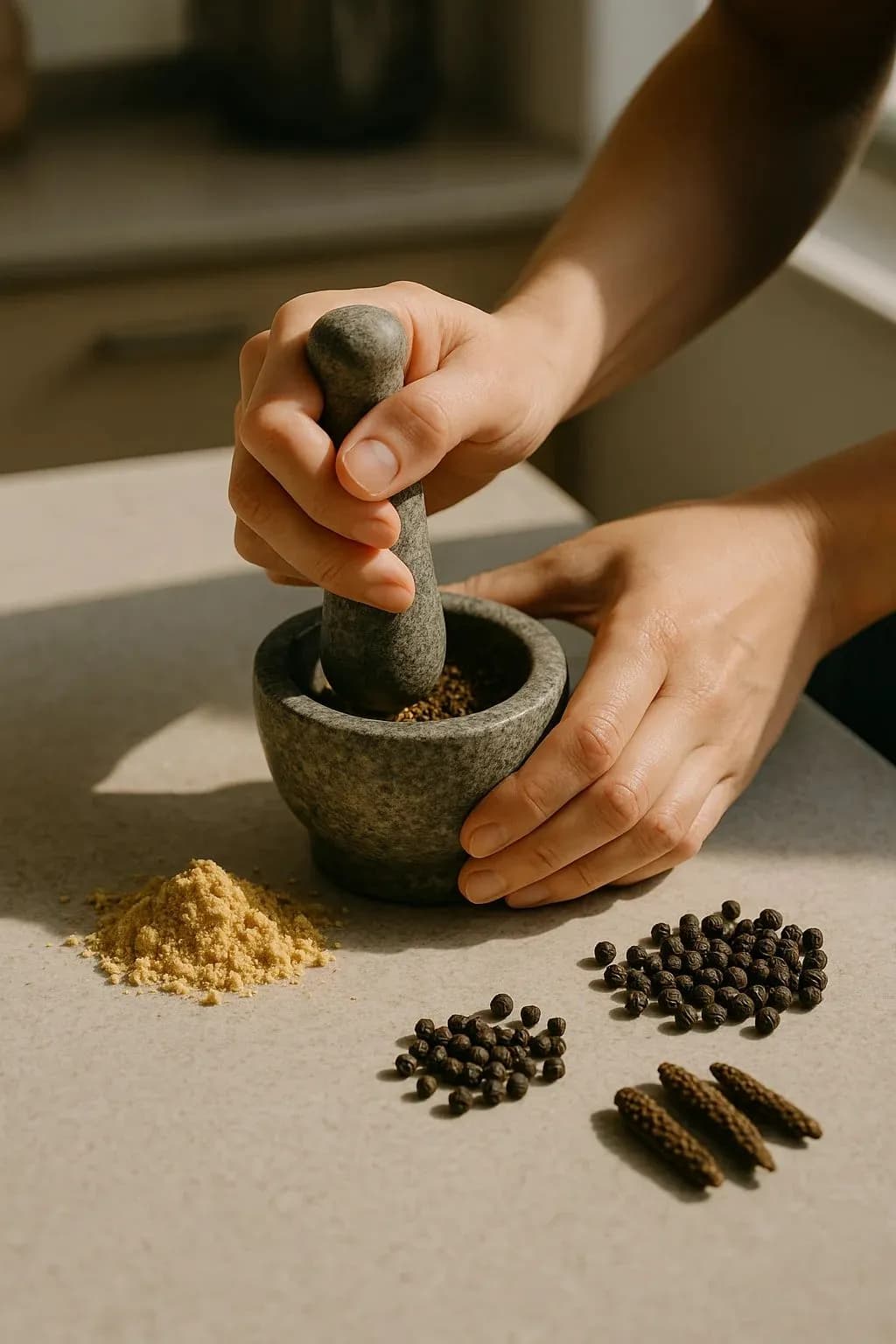
Integrating respiratory-supportive herbs into your daily rhythm does not require complicated regimens. One of the most reliable practices passed down through Kerala households is the evening herbal Kashayam (gentle decoction). Simmering crushed fresh Tulsi leaves, a slice of dry ginger, a pinch of Pippali powder, and a bruised peppercorn in water creates a comforting nectar that dissolves evening congestion. Inhaling medicinal herbal steam—infused with crushed Tulsi or a drop of camphoraceous leaf oil—serves as an instant therapy to decongest the nasal passages before bed. At Rahath Ayurvedic, we frequently guide patrons on crafting such traditional brews tailored to the changing monsoon and winter weather, helping families foster daily lung resilience naturally.
Dietary Wisdom and Seasonal Balance
Ayurveda emphasizes that clear breathing begins in the digestive tract. When digestion is sluggish, undigested metabolic waste, or Ama, travels upwards and manifests as damp congestion in the Pranavaha Srotas. To support clear respiration, favor light, warm, and freshly cooked meals spiced with cumin, coriander, and turmeric. Minimize intake of heavy dairy, refrigerated beverages, and deep-fried snacks, especially during damp or chilly evenings. Drinking warm boiled water with a pinch of dry ginger powder throughout the day acts as an effortless cleansing tonic that prevents the accumulation of sticky Kapha in the bronchial channels.
Sustaining Heritage Wellness at Rahath Ayurvedic
For generations, families have turned to regional herbal apothecaries to navigate seasonal coughs, shallow breathing, and climate changes. Located in Mannarkkad, Palakkad, Kerala, India, Rahath Ayurvedic remains dedicated to preserving these pure, classical wellness practices. Whether you are seeking time-honored formulations like Talisapatradi Choorna, soothing herbal oils for gentle chest massage, or authentic botanical single herbs, consulting with knowledgeable traditional custodians ensures that your journey toward balanced breathing is gentle, effective, and deeply aligned with genuine Ayurvedic wisdom.
Contact us for personalized Ayurvedic guidance.